Stronger support from the first minute
Turns a 1–6 L/min input into 3 to 4 times that inspiratory flow.


Oxygen therapy infrastructure has barely evolved for years and when demand surged, conventional systems struggled to keep pace. Hospitals need smarter support, not higher oxygen bills.
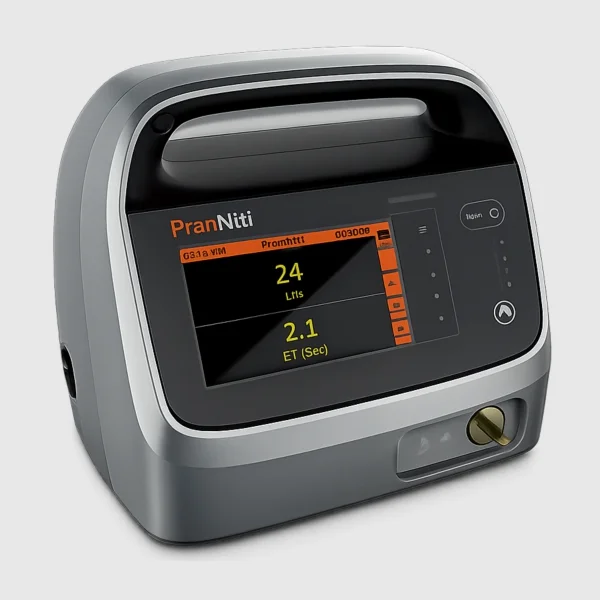
PranNiti is a patented respiratory support system for non-invasive oxygen therapy. It connects to your existing central or cylinder supply and is designed to help clinicians deliver higher inspiratory flow while using significantly less oxygen than many conventional modalities.
Standard delivery flows continuously but the patient only inhales for a third of each breath cycle. The rest escapes into the room.
The FiO2 actually reaching the alveoli is routinely lower than the set flow suggests, because dead-space air dilutes every breath.
When low-flow is not enough, the options jump to HFNO or NIV — high oxygen consumption, added equipment, and often an ICU bed.
Conventional low-flow delivery has no alarms and no fail-safes. If supply runs dry or the patient stops inhaling, nothing alerts the staff.
PranNiti is a patented, non-invasive oxygen therapy device for adult patients in mild to moderate Type-1 respiratory failure. It senses each breath and delivers oxygen only during inhalation multiplying inspiratory flow, flushing CO2-rich dead-space air and improving tissue oxygenation, through a simple nasal cannula on the oxygen supply you already have.
It senses the start of every inhalation and delivers a precisely timed boost at Peak Inspiratory Flow.
Turns a 1–6 L/min input into 3 to 4 times that inspiratory flow.
Plugs into any central oxygen line or cylinder, uses a standard binasal cannula, sets up in under ten steps.
Oxygen flows only while the patient inhales saving 60–70% compared with continuous low-flow therapy.
Delivers 35–75% FiO2, raises PaO2, and improves tissue oxygenation by flushing dead-space air from every breath.
The first oxygenation therapy with built-in alarms and fail safes.see the Safety section.
PranNiti is not a ventilator or life support device. It is designed for conscious, spontaneously breathing adults needing less than 15 L/min of oxygen.
From ICU step-down to ambulance transfer support pathways for teams who need more flow without more oxygen waste.
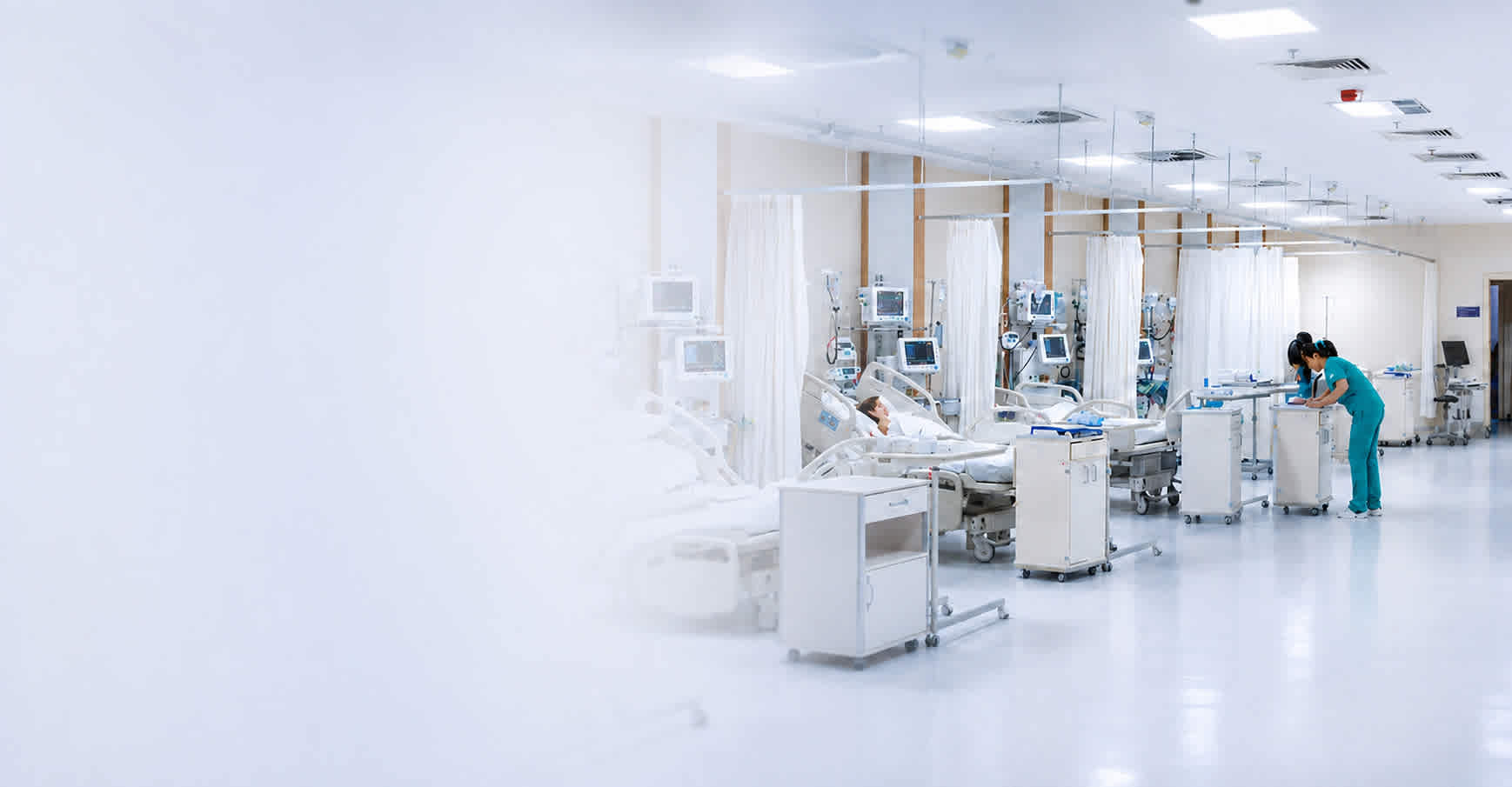
Step patients down from ventilator or HFNO without tying up high-flow infrastructure.

Oxygen support during local or regional anaesthesia; pre-op optimisation of COPD and OSA patients.

Post-operative oxygenation from extubation onwards cardiac, cancer, neuro and major surgery.

Respiratory support in LVF and acute MI, and during cath-lab procedures.
Higher support from the low-flow oxygen supply hospitals already use.

Ward-level support for pneumonia, COPD, interstitial fibrosis and post-COVID lung disease.
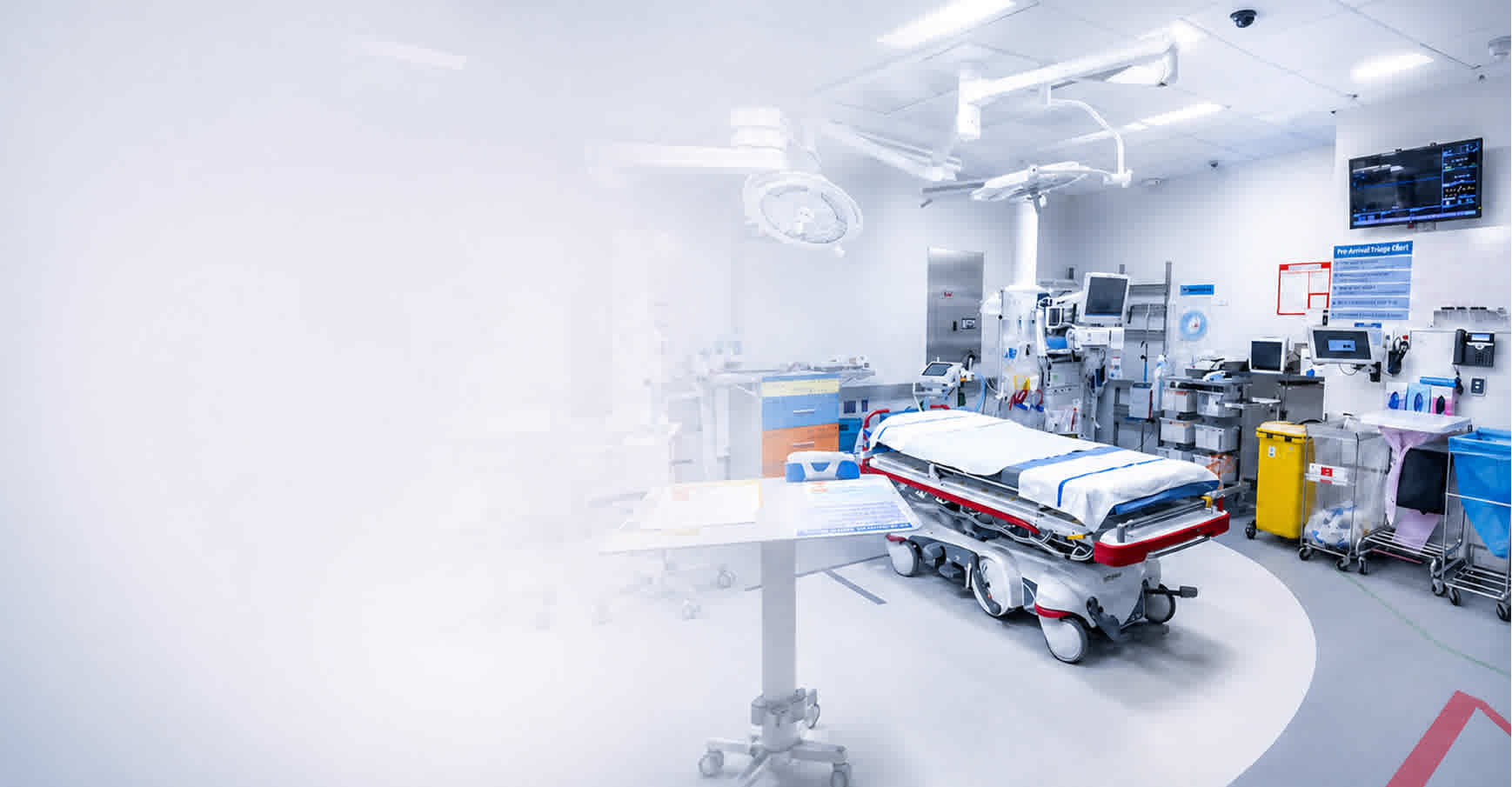
Immediate respiratory support while the team assesses and stabilises.
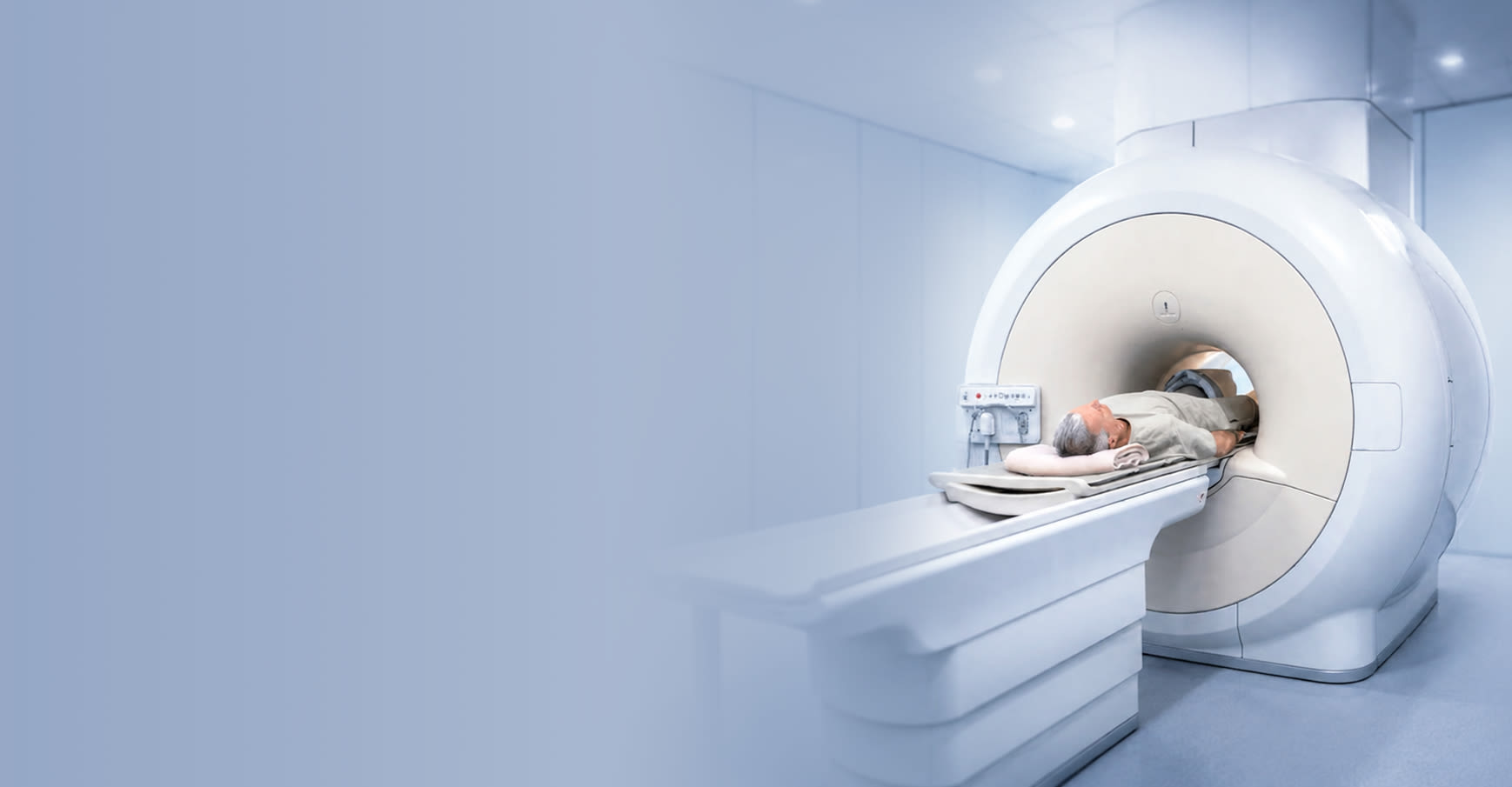
Oxygen support at a distance extended tubing keeps the device away from the scanner.

Everyday oxygen therapy for chronic lung disease patients, at a fraction of the oxygen cost.

Three to four times the inspiratory support from the same cylinder lasting the whole journey.

Maximum effect from scarce oxygen, where every litre counts.
Efficient therapy across ICU, wards, transfer and remote care pathways.
A practical overview of where enhanced Peak Inspiratory Flow Rate (PIFR) support may be considered for Type 1 respiratory failure pathways.
| Condition / Scenario | Details / Indications |
|---|---|
| Shock Intensivist / Anaesthetist | Septic, pneumonia, viral, bacterial, haemorrhagic, anaphylaxis |
| Post-operative care Surgeon / Intensivist / Anaesthetist | Cancer, cardiac, neuro, and other major surgeries |
| Weaning support Intensivist / Anaesthetist | Support during weaning from ventilator / HFNO |
| Cardiogenic shock Intensivist / Cardiologist | LVF / acute MI, cath-lab procedures |
| Acute respiratory failure Physician / Chest Physician | Pulmonary edema; mild to moderate respiratory failure from varied causes |
| Respiratory insufficiency Trauma Units / Centers | Adjunct respiratory support in trauma settings |
| Chronic lung disease Physician / Chest Physician / Pulmonologist | Interstitial fibrosis, COPD, post-COVID lung fibrosis requiring oxygen |
| Pre- and post-operative preparation Surgeon / Physician / Anaesthetist | Bariatric and chronic lung disease pathways |
| Intra-operative support Anaesthetist | Oxygen support during high-risk procedures under LA or regional anaesthesia |
| Diagnostic procedures Anaesthetist | Oxygen support during bronchoscopy, gastroscopy, MRI, and similar procedures |
Audible and visual alarm within 8 seconds, then automatic rescue oxygen pulses every 4 seconds until breathing resumes.
Staff are alerted immediately; therapy auto-resumes the moment supply is restored.
A built-in pressure limiting mechanism protects the patient.
A bypass valve keeps oxygen flowing directly to the patient zero interruption.
Automatic self-test and input-line leak detection before therapy begins.
The first oxygenation therapy device with built-in patient safety measures. Patented in India. Designed and made in India. Not a ventilator or life-support device.
Compare how PranNiti turns low-flow input into high inspiratory output and why that matters for oxygen efficiency across common modalities.
Illustrative low-to-high flow ranges across modalities (examples only actual device ranges may vary).

HFNO vs PranNiti — similar inspiratory flow targets, dramatically different input demand.

PranNiti’s output scales more aggressively than conventional linear low-flow delivery (illustrative comparison).

The best demonstration is at your own hospital, on your own supply, with your own team watching the numbers
Office Address
Regd. Office: Survey No. 143/1/D, Milkat No. 2450/1, Village Vadgaon, Tal - Maval, Dist - Pune, Maharashtra - India, 412 106.
Phone
+91 7722020796BreatheFIT is a smart oxygen wellness system designed for everyday recovery, focus and performance — with medical-grade oxygen support in a compact, easy-to-use device.
Engineered for consistent, comfortable sessions with built-in safety monitoring, it helps wellness seekers, athletes and busy professionals breathe better daily.